
We’ve spent
15 years
learning when to get out of the way.
That sounds simpler than it is.
Every vintage gives you something different to work with. Different weather, vineyards, fruit and timing. The temptation is always to make the wine behave.
We’d rather pay attention to what it’s already doing.
That’s been the basic idea behind Ovum since the beginning.
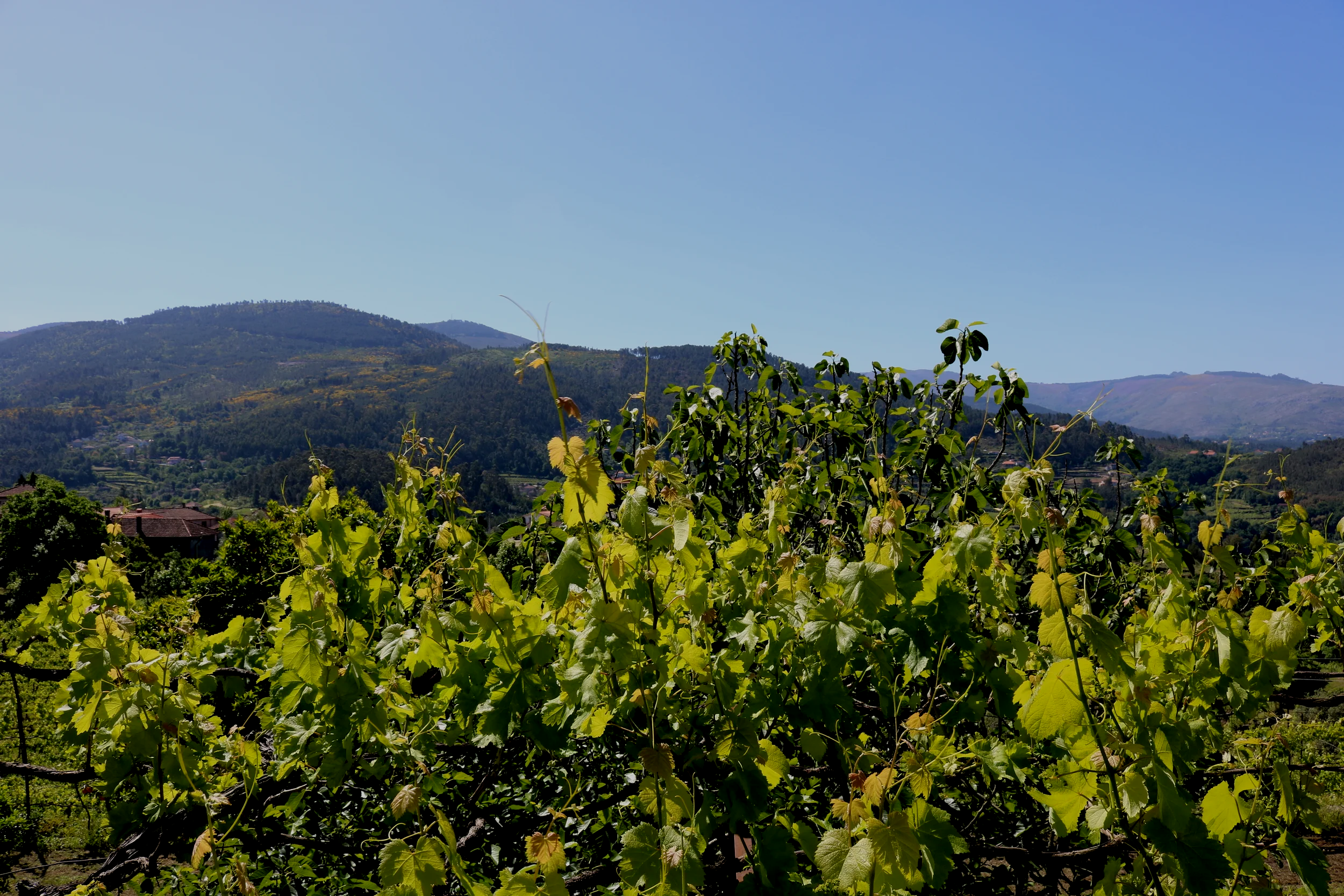
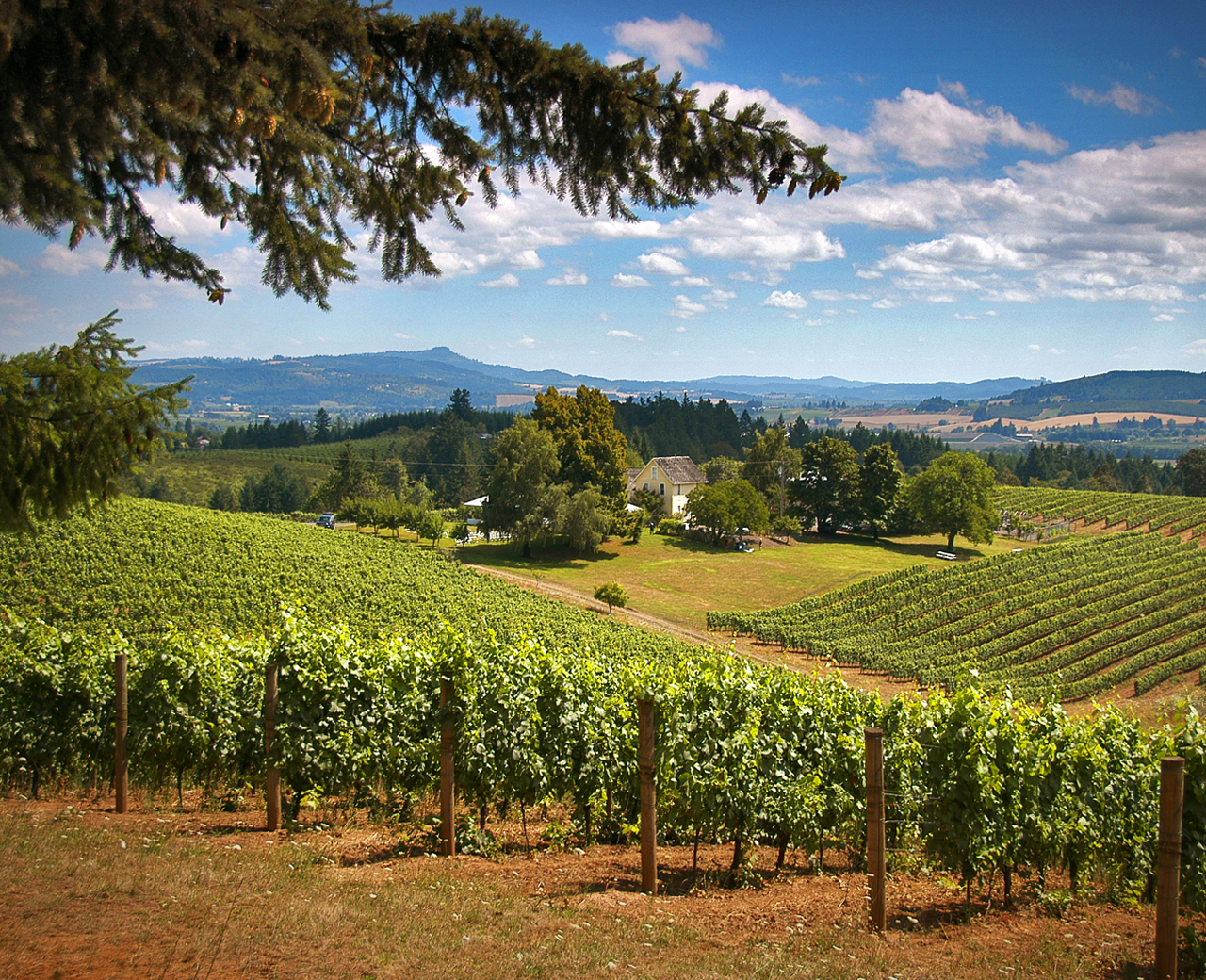
We work with vineyards across Oregon and the Pacific Northwest, looking for places that behave differently, then letting those differences stay in the wine.
We didn’t build Ovum
around one grape.
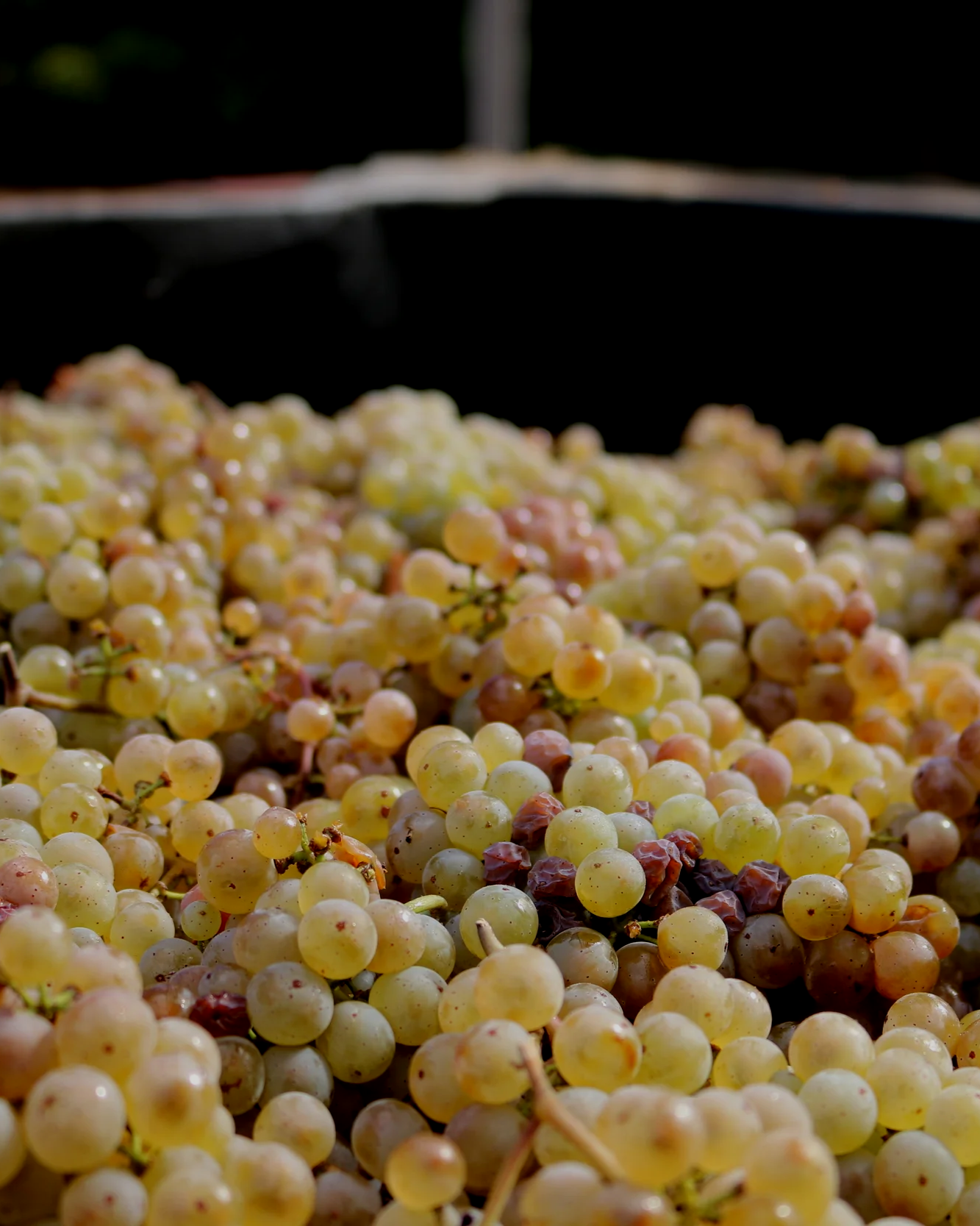
Riesling is a big part of the story, and always will be.
But the bigger obsession has always been aromatic, high-acid wines that show where they came from.
That’s taken us through Gewürztraminer, Aligoté, Pinot Blanc, Chardonnay, Syrah, and plenty of other rabbit holes over the years.
The point is not variety for variety’s sake.
It’s finding the grapes and places that make sense together, then letting the wine keep some of the edges.
Native yeast.
Very little added.
Neutral oak, Austrian cask, acacia, or whatever makes sense for the wine in front of us.
We’re happy for one vintage to taste different from the last one.
There’s no reason 2023 should taste exactly like 2022 if the year itself didn’t.
We like old-fashioned wines
in the modern world.
The people matter too.
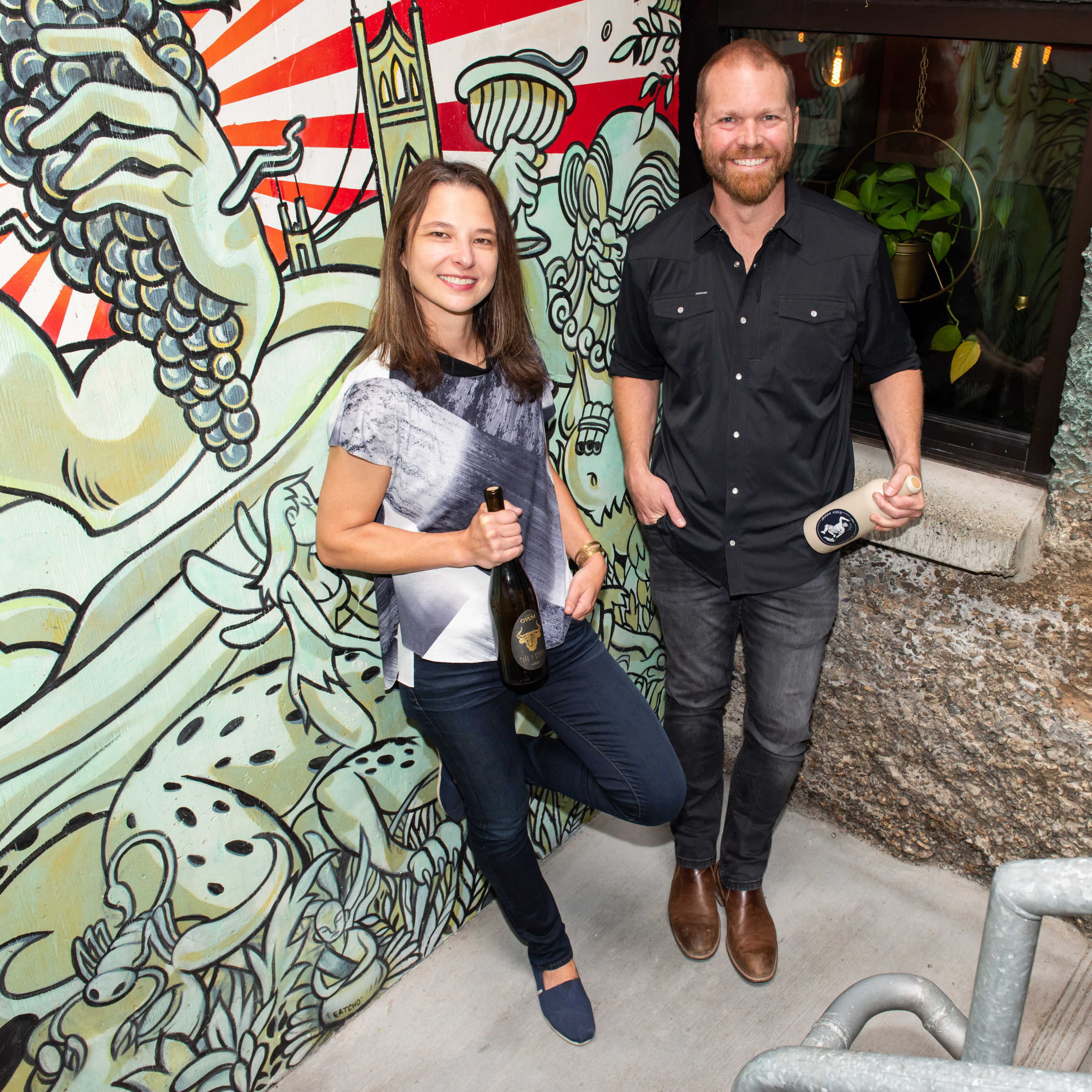
Ovum has always been the two of us, even if John is usually the one doing more of the talking.
We bring different things to it. John tends to start with the idea and keep asking what if. Ksenija is usually the one making sure the idea survives contact with reality.
That balance has been there from the beginning.
So have the growers we work with, the people who pour the wines, and the customers who kept coming back long before we had much of a plan.
The wine only works because those relationships do too.
We’re serious about the wine.
Less serious about the ceremony around it.
We care a lot about vineyards.
We care about vintage.
We care about farming, fermentation, texture, acidity, and whether the wine actually tastes like somewhere.
You don’t need to know the right words for any of that.
You don’t need a qualification, and you don’t need to sound like a wine expert.
You just need to drink it and decide whether you like it.
That’s it.